AI: New Wine in Old Wineskins – Challenges and Opportunities from a Catholic Moral Perspective
AI: New Wine in Old Wineskins – Challenges and Opportunities from a Catholic Moral Perspective
DOI:
https://doi.org/10.54855/csl.25537Keywords:
Artificial Intelligence; Catholic Morality; Human Dignity; Common Good; GospelAbstract
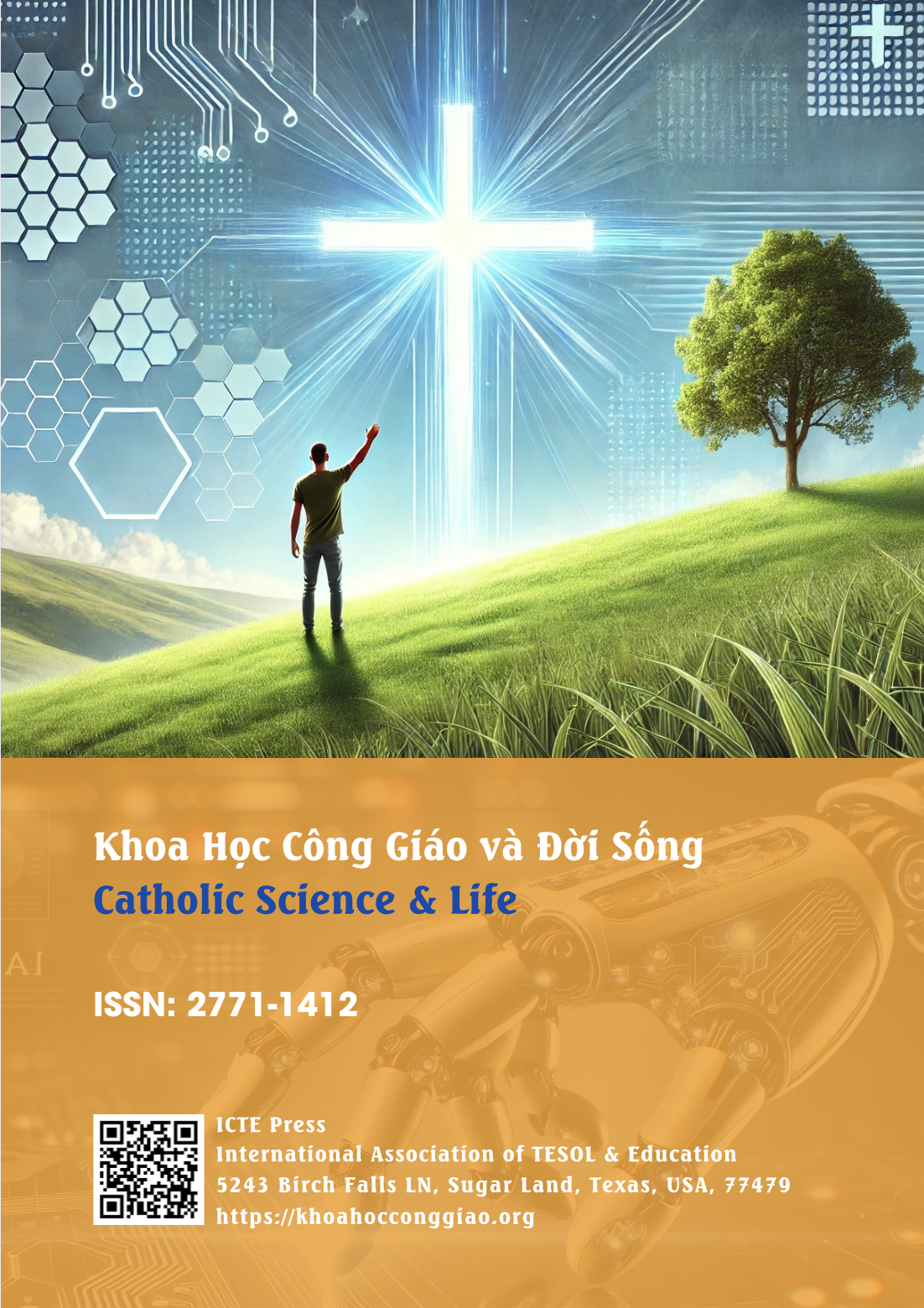
This article examines Artificial Intelligence (AI) from the perspective of Catholic moral theology, highlighting both the challenges and opportunities it presents. AI is presented as a highly intelligent and efficient tool, while also raising concerns about risks and the responsibility of its creators and users. The article emphasizes human moral responsibility toward AI—whether it is used for good or ill depends on human choices, not on AI itself—and stresses that it is the human person, not AI, who remains the ultimate goal of development. AI is created for humanity, not the other way around. Finally, the article issues a call for personal renewal, a transformation of mindset, and the pursuit of new approaches consistent with Catholic teaching in order to confront the challenges and embrace the opportunities that AI brings to both society and the Church today.
References
Asha Gaud, “The Irreversible Rise of Artificial Intelligence: A Brief History with Long-lasting Implications”, in MechoMotive, July 14, 2021, accessed Jan 30, 2024, https://mechomotive.com/artificial-intelligence-rise-of-ai-brief-history-machines-evolution-superintelligence-benefits-risks-ethical-dilemmas/?ssp=1&setlang=en&cc=CA&safesearch=moderate
Byron Reese, Thời Đại Thứ Tư — The Fourth Age, Lương Trọng Vũ dịch, Nxb Dân Trí, TPHCM 2023.
“Gemini may display inaccurate info, including about people, so double-check its responses.” Acc. Feb 10, 2024.
Henry A. Kissinger et al., The Age of AI…, 181.
Học máy (machine learning): “Các AI ‘học’ bằng cách sử dụng dữ liệu, sau đó rút ra các quan sát và kết luận dựa trên dữ liệu. Trong khi các hệ thống trước đó đòi hỏi đầu vào và đầu ra chính xác, thì các AI với chức năng ‘mơ hồ’ này lại không đòi hỏi như vậy… Ở máy móc, các thuộc tính này mang tính cách mạng. Ví dụ như đột phá của AlphaZero trong thế giới cờ vua…,” xem Henry A. Kissinger et al., The Age of AI…, 51-68.
Stephen Hawking, “Will Artificial Intelligence Outsmart Us”, in Brief Answers to the Big Questions, John Murray, London 2018, 186.
Sứ điệp Trí Tuệ Nhân Tạo và Hòa Bình số 7.
Theo H. Kissinger, “khi đã có kết quả do AI tạo ra, con người – có thể là nhà nghiên cứu hay người sử dụng – phải kiểm chứng được liệu AI tạo ra những gì mình mong muốn,” trong Henry A. Kissinger et al., The Age of AI…, 69-70.
Teofilo Giovan S. Pugeda, “Artificial Intelligence and Ethical Reflections from the Catholic Church,” in MST Review 23/2 (2021): 52-93, accessed Jan 31, 2024, https://mstreview.com/wp-content/uploads/2021/12/Pugeda_Artificial-Intelligence-and-Ethical-Reflections-.pdf?ssp=1&setlang=en&cc=CA&safesearch=moderate
“Tương lai của trí tuệ nhân tạo: hứa hẹn và rủi ro”, trong Sứ điệp Trí Tuệ Nhân Tạo và Hòa Bình của ĐTC Phanxicô nhân Ngày Hòa bình Thế giới lần thứ 57, ngày 1 tháng 1 năm 2024, số 2.
World Economic Forum, The Future of Jobs Report, Inside Report May 2023, accessed Feb 3, 2024, https://www3.weforum.org/docs/WEF_Future_of_Jobs_2023.pdf
Yuval N. Harari, 21 Bài Học Cho Thế Kỷ 21, Dương Ngọc Trà dịch, Nxb Thế Giới, Hà Nội 2022, 38-66, esp. 53.
Downloads
Citations
Published
Issue
Section
License
Copyright (c) 2025 Lm. JB. Lê Đình Phương, C.Ss.R.

This work is licensed under a Creative Commons Attribution-NonCommercial 4.0 International License.
Authors retain copyright and grant the journal the right of first publication with the work simultaneously licensed under a Creative Commons Attribution 4.0 International License that allows others to share the work with an acknowledgment of the work's authorship and initial publication in this journal.
Authors are able to enter into separate, additional contractual arrangements for the non-exclusive distribution of the journal's published version of the work (e.g., post it to an institutional repository, in a journal or publish it in a book), with an acknowledgment of its initial publication in this journal.